
Ending hunger takes more than moving food. It requires investing in the people, tools, systems, and policy changes that make food security possible. In fiscal year 2026, the Food Depository strengthened the foundation of our mission by investing in smarter systems, stronger infrastructure, and the people who power our work. Together, these investments help accelerate our impact.
A prime example includes enhancing our ability to better understand where resources can make the greatest difference. In fiscal year 2026, we expanded our research and evaluation tools that analyze gaps in service and meals reaching our neighbors.
Our various needs assessments, including the meal gap, compare the food our neighbors need to thrive with the current availability of food assistance. For example, by estimating the meals needed across Cook County and comparing that need with the support provided through our partner network, food distribution programs and Supplemental Nutrition Assistance Program (SNAP) participation, we can see more clearly where hunger persists – and direct programs and resources accordingly. It also helps us better understand food insecure households who don’t receive assistance and those food insecure households that do.
“Data-driven needs assessments like the meal gap move us beyond counting meals to measurable progress. It helps gauge our progress toward ensuring every neighbor in Cook County has reliable access to three nutritious meals a day. The meal gap is more than a metric – it is a powerful guide for action,” said Salma Nassar, the VP of Research, Evaluation and Business Analytics.
In fiscal year 2026, the Food Depository and our network closed 43 percent of Cook County’s meal gap, helping millions of meals reach neighbors facing food insecurity. While significant need remains, our measurement tools combined with our strategic framework strengthen accountability and help us focus our investments on reaching neighbors across Cook County.
“The meal gap moves us beyond counting meals to measurable progress. It is more than a metric – it is a powerful guide for action.”
– Salma Nassar, VP of Research, Evaluation and Business Analytics
Preventative maintenance
That same focus on impact extends to the infrastructure behind every distribution. Donor support not only helps provide food; it equips our people to move it safely and reliably. In fiscal year 2026, we shifted from reactive repairs to preventive maintenance of essential equipment like refrigeration systems, heating and cooling units, forklifts, and pallet jacks.
Addressing issues before failures occur keeps food safe, reduces costly disruptions and gives Operations staff dependable tools to serve our community efficiently and with care. The result is already significant with equipment availability last year, rising from 73 percent to 96 percent.
Sustainable management of food waste
A new collaboration with Green Era is also helping the Food Depository manage unavoidable food waste more efficiently and sustainably. We have quality standards for the donated and purchased food that arrives at our warehouse. Nevertheless, sometimes fresh produce spoils in transit and becomes unfit for distribution.
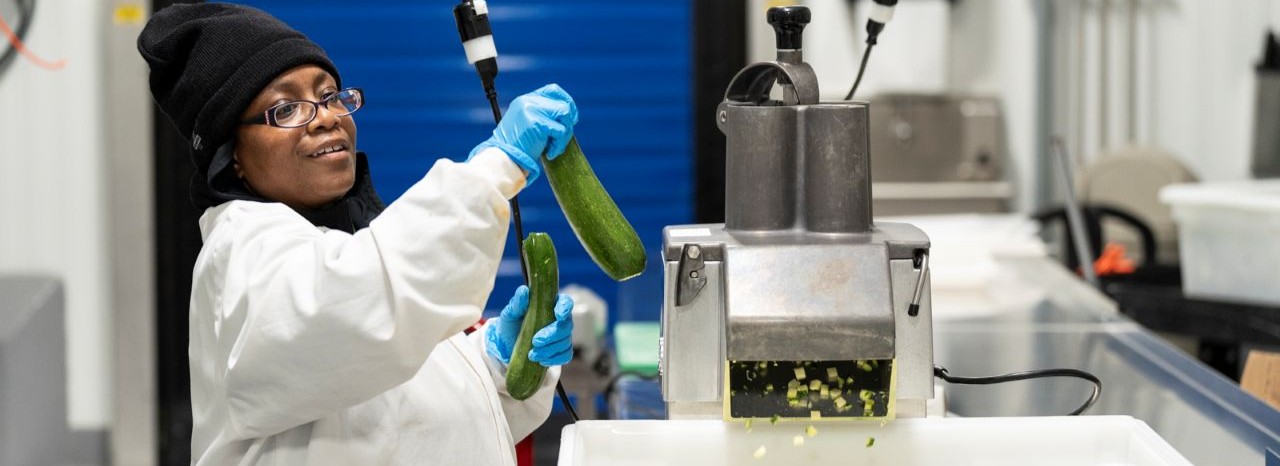
Previously, managing these discarded items required three vendors – including two composting companies – and hours of staff time each week to remove packaging by hand. Green Era now accepts our food waste, packaging and all, transforming discarded food into renewable energy and nutrient-rich compost, and turning waste into valuable resources in a more environmentally sustainable way.
“The partnership lowers waste-management costs, improves environmental sustainability and allows our teams to focus more time on getting nutritious food to our neighbors. By collaborating with partners like Green Era, we are building a stronger, more sustainable organization,” said Javaun Price, VP of Operations.
Since the partnership began in July 2025, Green Era has converted more than 1 million pounds of our food waste into renewable energy, keeping valuable resources in use and out of landfills. The collaboration transforms a disposal challenge into a more sustainable solution – one that strengthens both our operations and the broader food system.
Growing fresh and healthy flavors
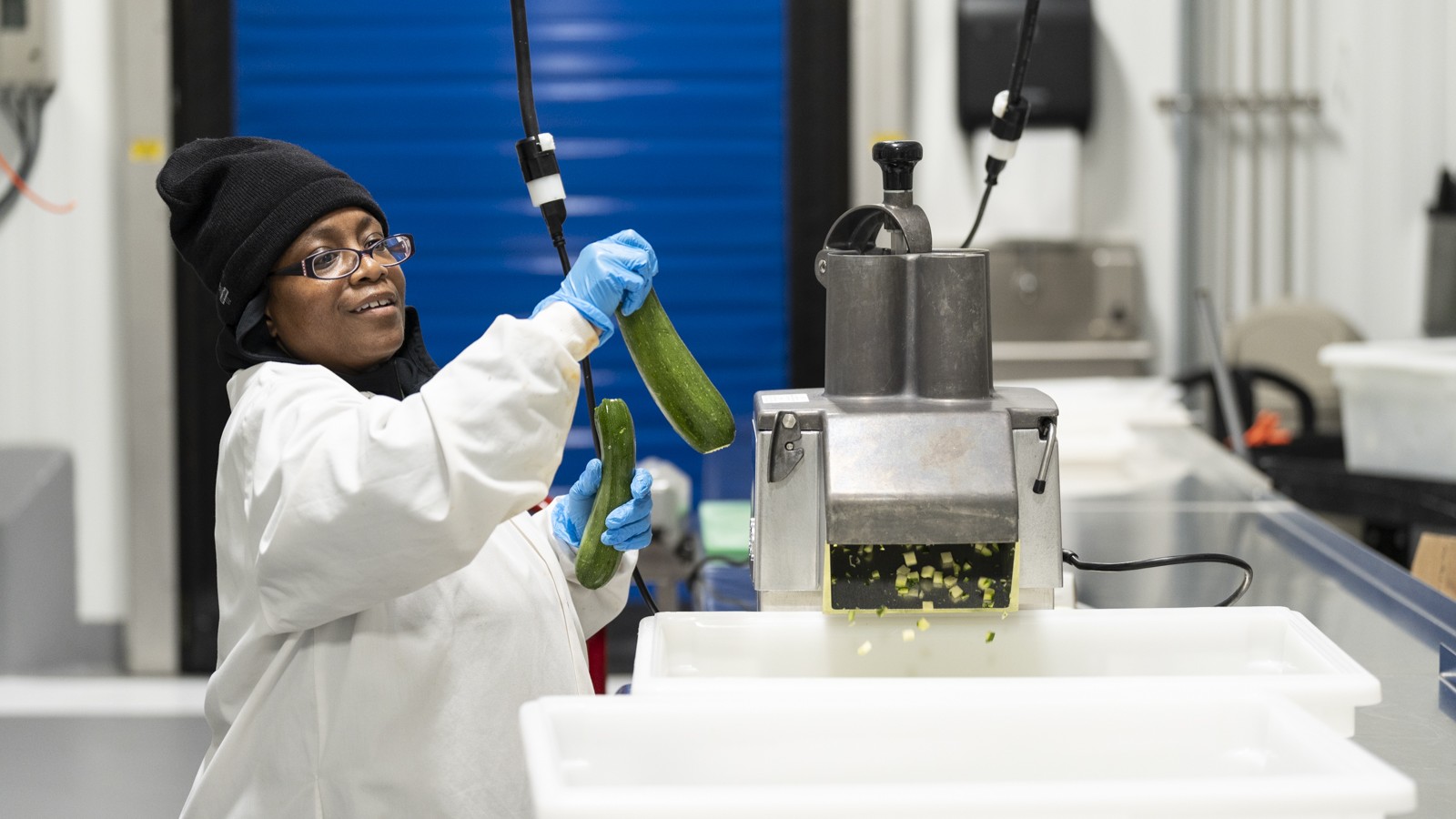
Innovation is also taking root in our kitchen. In fiscal year 2026, we added two hydroponic growing units, doubling our capacity to grow fresh herbs to support our prepared meals work. Our team can now harvest nearly 200 pounds of basil, cilantro, dill and other herbs each month, creating meaningful savings and a dependable year-round source of fresh flavor.
Pairing innovative tools with staff expertise strengthens our ability to prepare delicious and nutritious meals for older adults, people living with disabilities and neighbors managing chronic health conditions.
Volunteer ambassadors lead the way
Ultimately, strong infrastructure reaches its full potential through people. In fiscal year 2026, we expanded our Volunteer Ambassador Program, investing in many of our longtime volunteers who create a welcoming, mission-driven experience for everyone who walks through our doors. Ambassadors now play a greater role in the volunteer experience, leading warehouse projects, reinforcing safety practices and guiding teams through critical tasks.
“When volunteers take the reins alongside our team, they gain a deeper connection to our mission and the impact we create together,” said Sierra Helsing, Senior Manager of Volunteer and Guest Experience.
Of the more than 41,000 volunteers who dedicated 104,000 hours of service last year, approximately 70 were ambassadors who contributed about 4,000 service hours, providing skilled, reliable support for our daily operations. By creating more opportunities for volunteer ambassadors to lead, we are building a stronger community united around ending hunger.
This work takes people with the passion to drive change – and the tools and systems to turn that passion into lasting impact. Investing in our people and infrastructure is strengthening our organization today and building our capacity to serve more neighbors tomorrow.