
For neighbors experiencing food insecurity, H.R. 1, the so-called Big Beautiful Bill signed into law in summer 2025, was disastrous. The law brought onerous new work requirements and historic cuts to the Supplemental Nutrition Assistance Program (SNAP), our nation’s most effective tool in addressing hunger. The State initially estimated that as many as 450,000 people in Illinois would lose their benefits.
The Food Depository immediately started working to mitigate the harm to our neighbors experiencing food insecurity. About 1.5 million people in Illinois rely on SNAP to help pay for food. When safety net programs families depend on for basic needs are dismantled at this scale, the charitable food system cannot come close to filling the gap. For every meal food banks and pantries provide, SNAP provides nine.
Rogers Park resident Mike Krystyn, 64, called the thought of losing his benefits traumatic. Losing his job during COVID triggered a series of events that severely impacted his quality of life. Unemployment and SNAP benefits helped him afford the basics while he looked for a new job. “I’ve been struggling financially since COVID,” he said. “SNAP has been the one thing that has kept me on my feet.”
“I’ve been struggling financially since COVID. SNAP has been the one thing that has kept me on my feet.”
– Mike Krystyn, SNAP participant and advocate
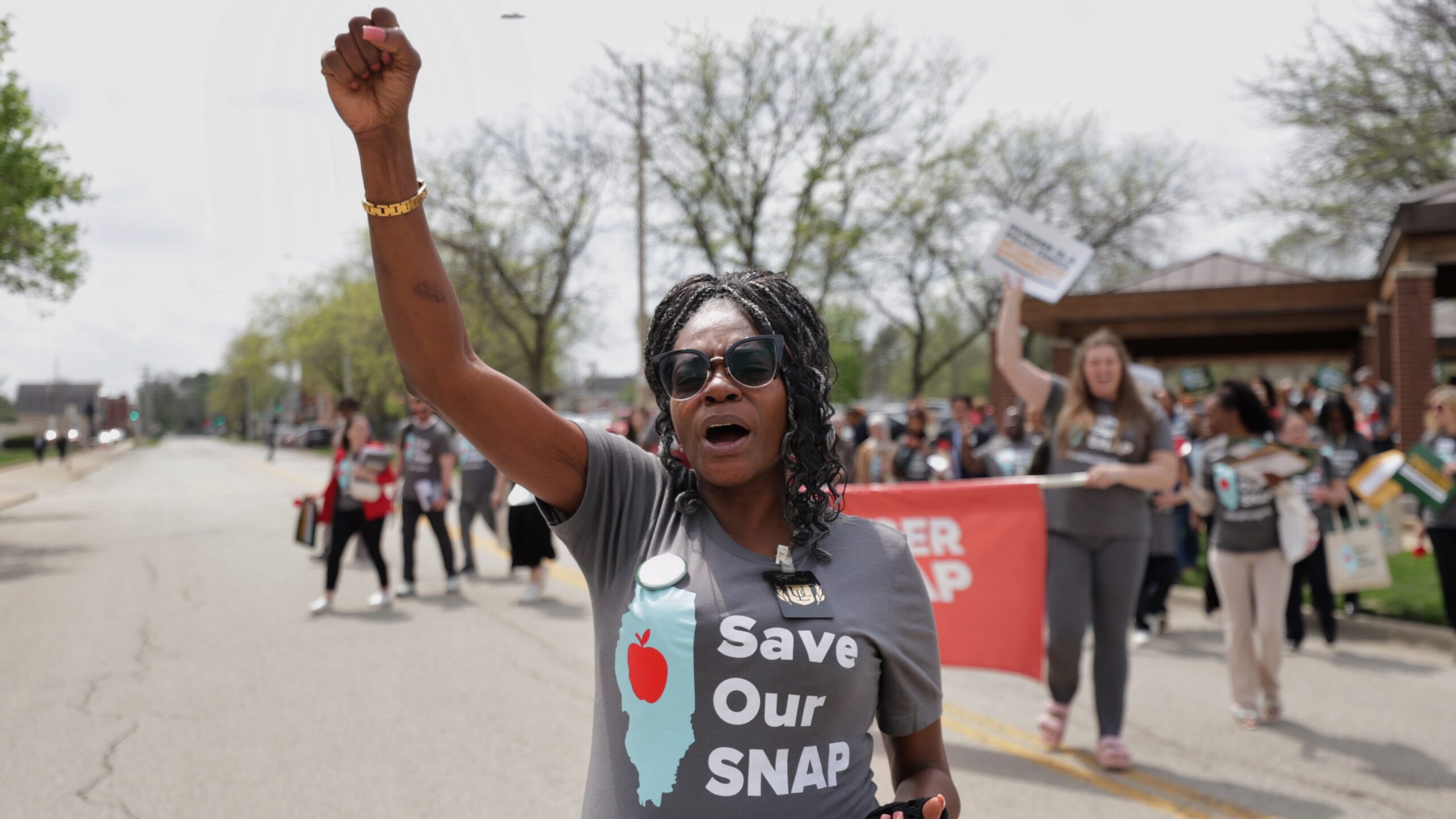
Our first step in helping neighbors like Krystyn was a public awareness campaign. We wanted every person on SNAP to check if the new requirements affected them and what steps they could take to protect their benefits. Our teams spread the word at hundreds of community events, as well as online, through the news media and across our partner network. We also grew our community of SNAP advocates, equipping them with training and outreach toolkits.
We reached out to our colleagues throughout the state doing anti-hunger and anti-poverty work. These organizations serve people impacted by the SNAP cuts, and many were organizing their own response to H.R. 1. Together we launched the Save Our SNAP coalition.
Over the months, we collaborated on community outreach, trained benefits specialists, created informational materials to distribute to SNAP participants and coordinated with state officials to encourage compassionate compliance with the new rules.
Through our collective efforts, we helped reduce the number of Illinois SNAP participants losing their benefits by 350,000 in the first year of H.R. 1. Keeping neighbors connected to vital safety net programs means they are better able to access the food they need to thrive.
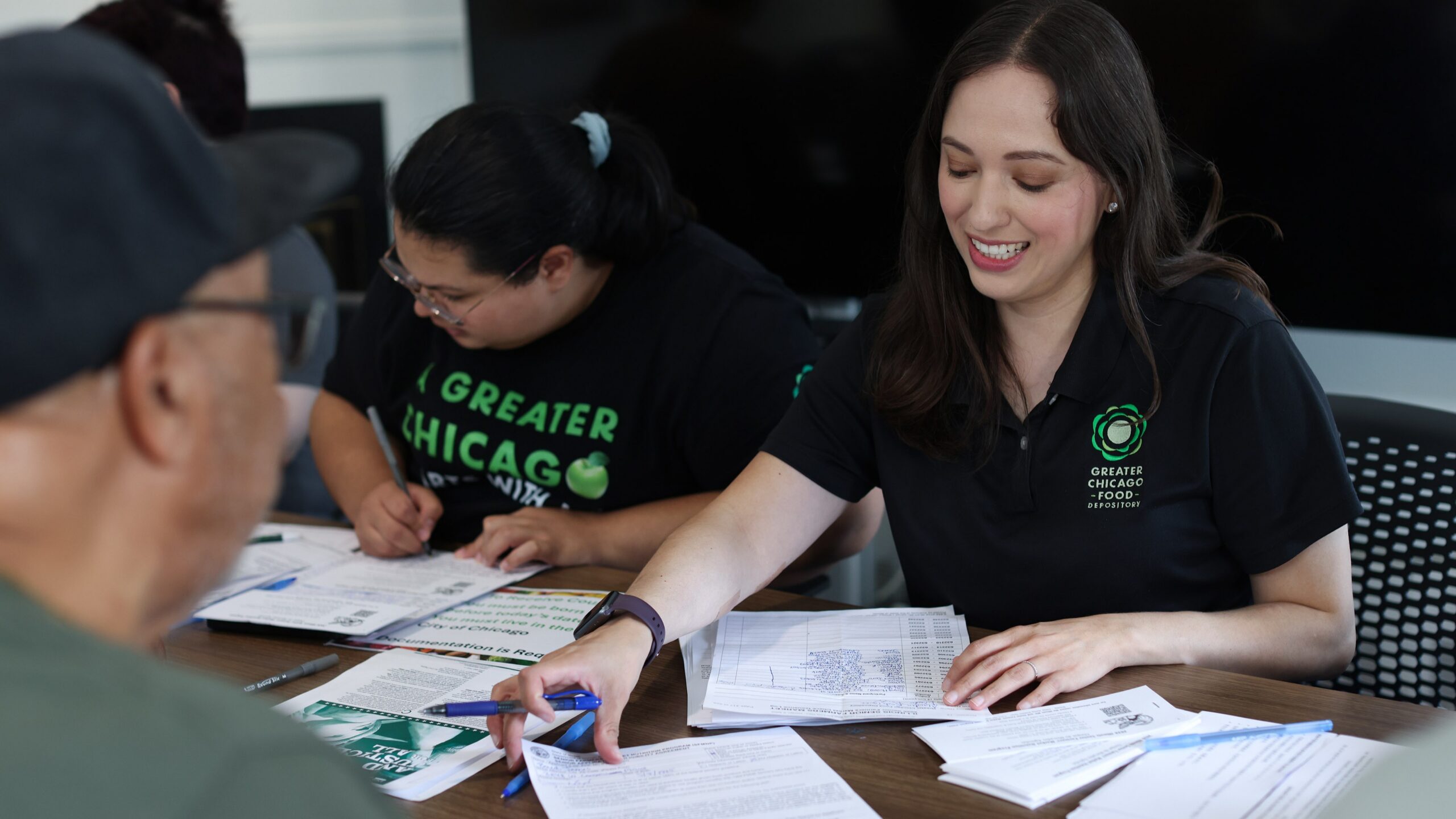
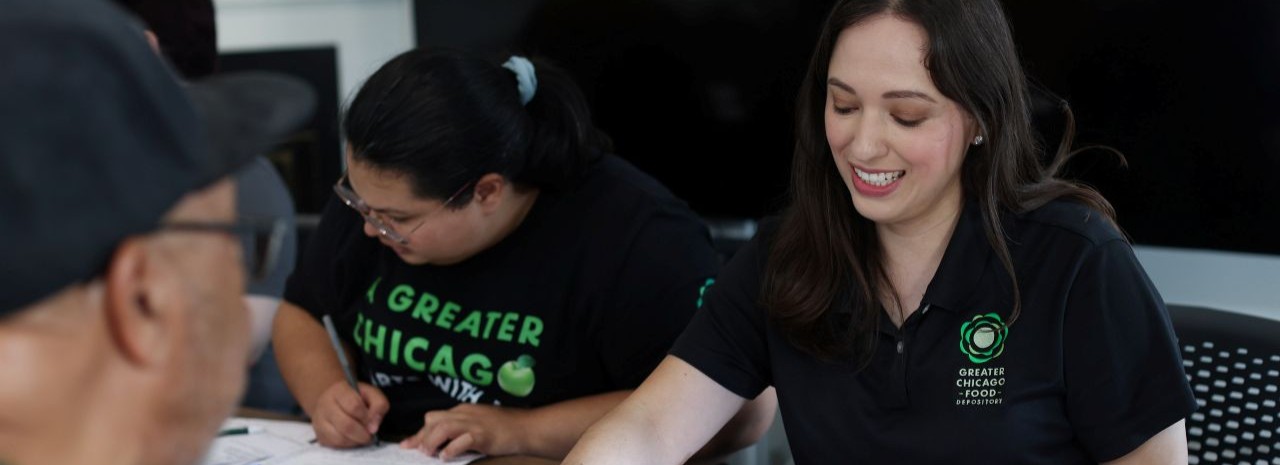
Our public awareness campaign around H.R. 1 was a natural extension of the work the Food Depository’s benefits outreach team has been doing for years. Every week, members of this team visit senior centers, colleges, food pantries and community events, in addition to offering guidance over the phone. With each call or visit, they help neighbors navigate the often-complicated process of applying for – and remaining enrolled in – state and federal assistance programs. The team answers questions, fills out applications and follows up with neighbors once a decision about their case has been made.
During fiscal year 2026, our benefits team helped more than 2,700 neighbors apply for SNAP benefits totaling more than $5.7 million in assistance – funds that helped secure food that neighbors might otherwise have gone without.
Additionally, in May 2026, the Food Depository launched the Community Benefits Hub, a collaboration of more than 90 city, county and community-based organizations working together to connect Cook County neighbors to public benefits.
The response to our benefits assistance, overwhelmingly, is relief. At a local senior center, Joann Montes, a Food Depository benefits enrollment specialist, met a woman in her early sixties who was crying, fearful she would lose her SNAP benefits because health issues prevented her from working. Montes helped the woman apply for an exemption, which she didn’t realize she qualified for, and it got approved. “She wrote me later, thanking me for listening to her concerns and helping her keep her benefits,” Montes said. “We receive gratitude all the time.”
“That’s what keeps us going,” said Wanda Taylor, another benefits enrollment specialist. “Being in the community, hearing those stories and helping our neighbors.”