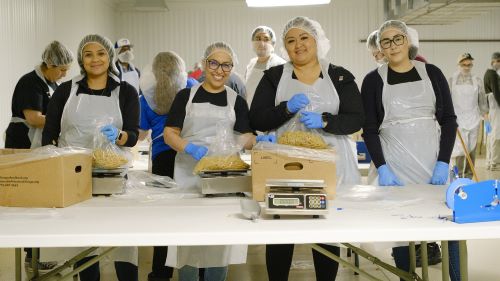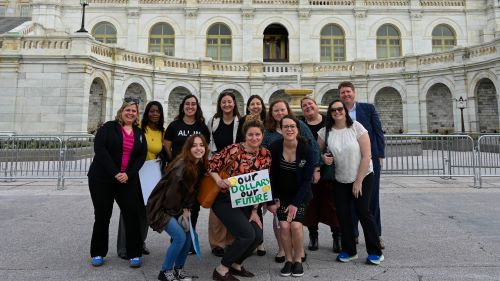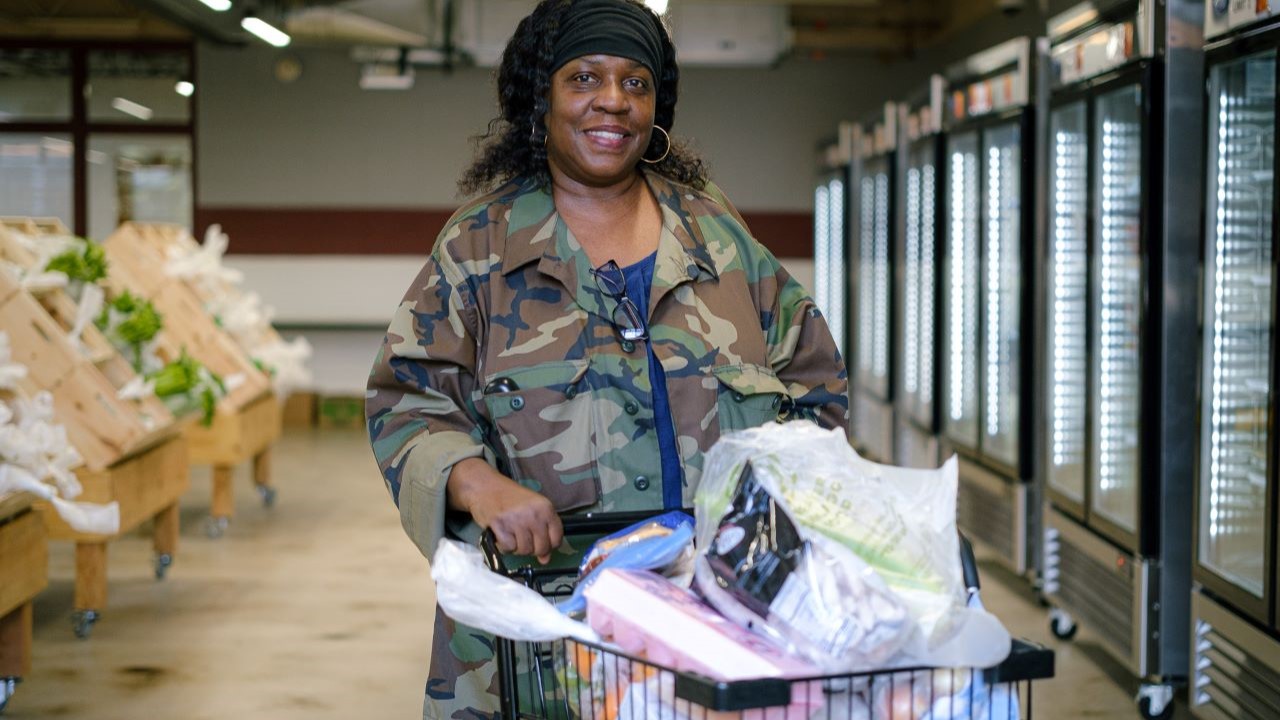
It’s no small task to supply a local network of food pantries and programs that serve more than 200,000 households with food each month. In fiscal year 2025 alone, the Food Depository provided the equivalent of 96 million meals to our partner network at no cost to them and the people they serve.
With food insecurity and the cost of food both elevated in fiscal year 2025, the Food Depository has worked strategically to maximize our procurement efforts. A big part of this effort involves reducing the 38 percent of our nation’s food supply that winds up in a landfill, according to Feeding America – all while families struggle to put food on the table.
Businesses across the supply chain – including retailers, growers, manufacturers and distributors – often discard perfectly good food due to reasons like packaging changes, products nearing their sell-by dates, surplus production, discontinued lines, minor cosmetic imperfections or slight weight variations.
By rescuing these quality, surplus products, the Food Depository ensures they are put to good use – distributing them through our network of food pantries, soup kitchens, and community programs to support neighbors experiencing food insecurity.
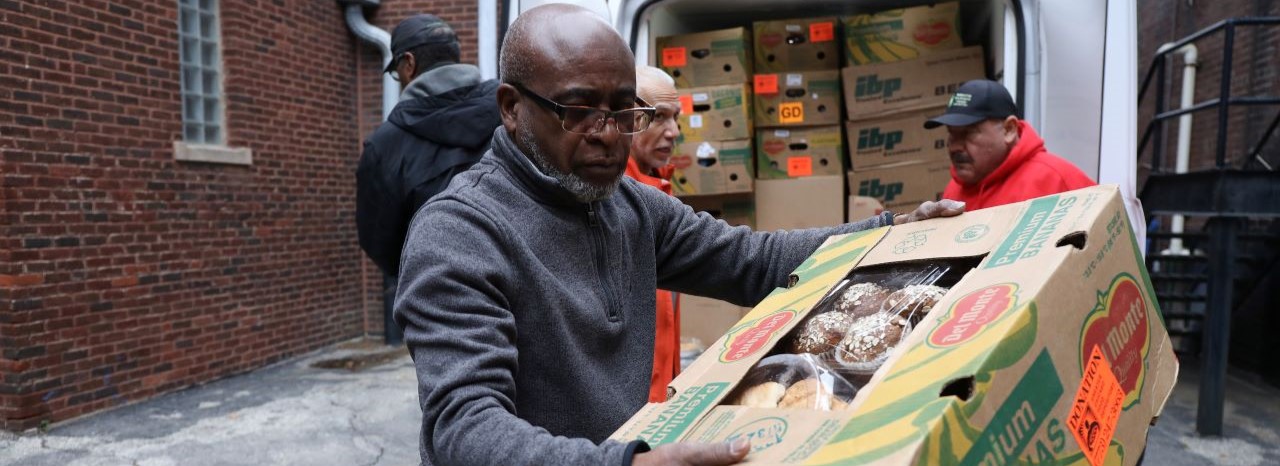
To increase efficiency, the Food Depository began decentralizing our retail food rescue program in 2021 with the introduction of a “hub and spoke” model. We help “hub” partners purchase or retrofit refrigerated vehicles for food collection and connect them with retailers in their immediate area. These partners share some of the rescued retail food with smaller “spoke” pantries in their neighborhood.
“We have been able to develop a direct relationship with the stores that donate food and the agencies to whom we deliver. I think that’s important for a sustained collaboration.”
– Judge William Boyd, Edward G. Irvin Foundation food pantry staff
In fiscal year 2025, the fifth year of the program, these community partner efforts rescued and redistributed 20.1 million pounds of quality, unsold food to neighbors experiencing hunger – 18 percent more than in fiscal year 2024 and more than double the amount of food since the program began.
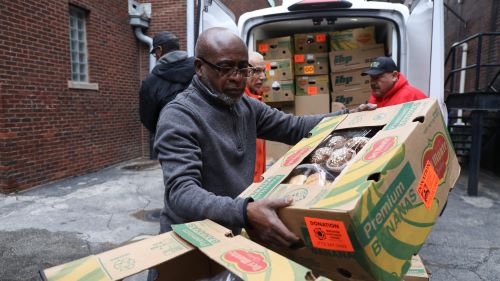
As part of this effort, we granted the Edward G. Irvin Foundation food pantry a refurbished refrigerated truck and helped them hire a driver in 2022. They now rescue food from six retailers to share with three local food-access sites. “We have been able to develop a direct relationship with the stores that donate food and the agencies to whom we deliver,” said the Foundation’s Judge William Boyd. “This has created a more genuine connection through which the stores can see and feel our sincere gratitude firsthand. I think that’s important for a sustained collaboration.”
Also in fiscal year 2025, the Food Depository began working with environmental and biofuels organization Green Era to handle most of our food waste. This includes produce that doesn’t meet our strict quality standards, expired items and the small amount of kitchen waste we produce. Green Era transforms this food waste into renewable natural gas to power stoves in local homes and nutrient-rich fertilizer used in several community gardens and urban farms.
The Food Depository is strengthening partnerships with Cook County-based manufacturers, retailers, growers and other local businesses to secure more product donations – keeping high-quality food out of landfills and getting it to neighbors who need it most.
Donating surplus quality food offers significant financial and operational benefits. Companies and growers can avoid costly storage and disposal fees while also receiving enhanced tax deductions for their contributions. Most importantly, these donations transform businesses into vital partners in the fight against hunger – helping feed children and families in need while reducing food waste and protecting the environment.
For example, Bolthouse Fresh Foods, located in southwest suburban Hodgkins, has generously donated fresh carrots to the Food Depository since 2013 – more than 13 million pounds to date – demonstrating their ongoing commitment to nourishing our community.
Our mission to end hunger requires us to explore all the ways we can creatively source food. Working together with commercial food businesses and retailers to repurpose quality, unsold food is a vital part. The Food Depository continues to build these efforts and partnerships to reduce food waste and ensure our neighbors have the quality food they need to thrive.
Does your company have food to donate? Know someone else’s that does? Contact Lynda Rosenbush at [email protected].