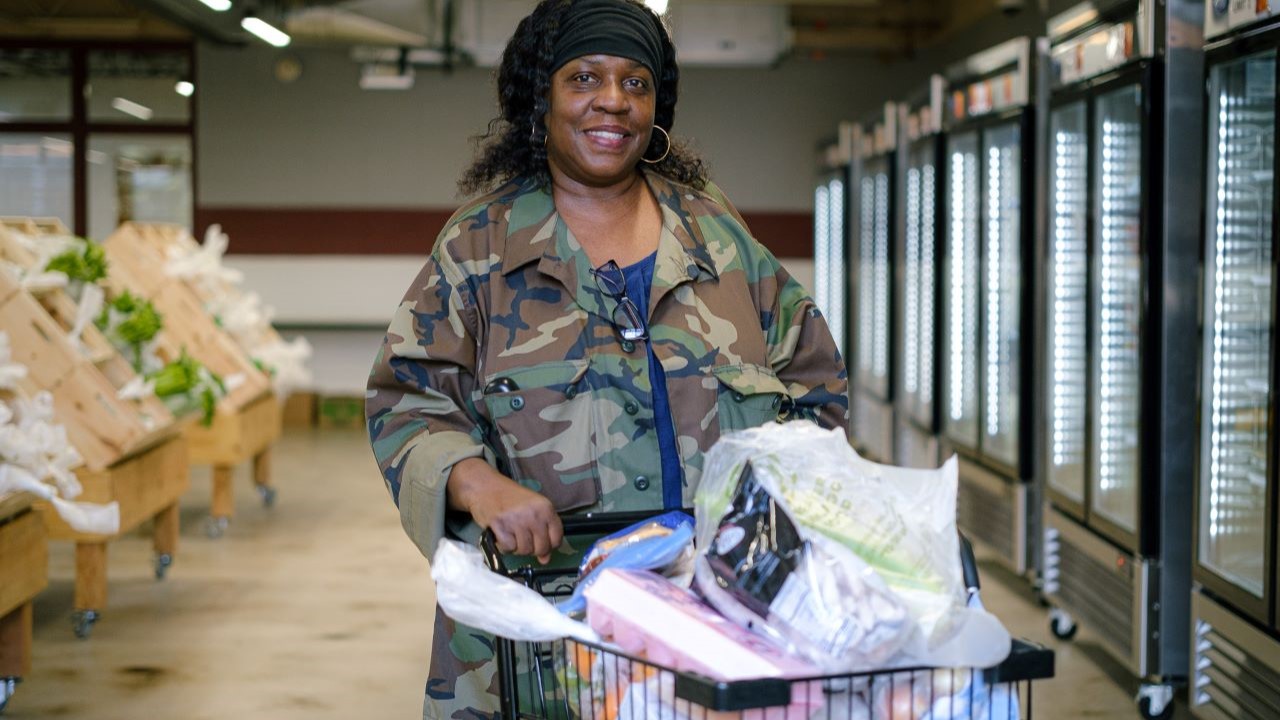
Diana, 34, was grateful when she discovered Christian Life Center food pantry in her Berwyn community last year. She does her best to support her three children but says it’s not easy on her own.
“We definitely make use of all the food we get here,” she said during a recent visit to Christian Life Center. “I don’t know what I would do if I didn’t have this pantry.”
Diana represents one of the roughly 200,000 households who visited the Food Depository’s network of partner food pantries, soup kitchens and other programs in an average month throughout fiscal year 2025 – our highest service level since our founding 46 years ago.
In fiscal year 2025, we served 2.3 million household visits from our neighbors, a 35 percent increase over household visits in fiscal year 2021, during the height of the pandemic. The heightened need was fueled by a high cost of living, including elevated food and housing costs, and wages that don’t always keep pace with rising rates. As demand for food has not reduced in the five years since the pandemic, the Food Depository has come to realize that the heightened need is our new normal.
“This pantry means me having enough food for the whole month.”
Andrea Thames, Together We Cope food pantry guest
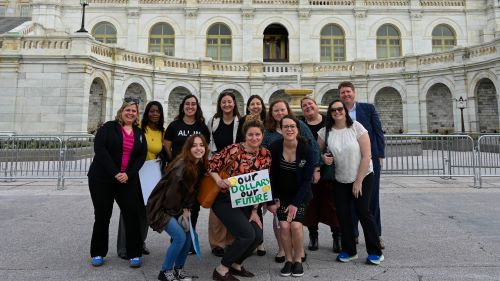
Over the past year, neighbors also faced the threat of cuts to the safety net, including the Supplemental Nutrition Assistance Program, which is our nation’s frontline defense against hunger.
“My family and I really rely on SNAP to get by,” said Natasha McClendon, a mom of two young girls and floating substitute teacher. “If my SNAP benefits are taken away, I don’t know how I’m going to tell my daughters that their mom doesn’t have enough dinner for them.” As she closely watched decisions about SNAP at the federal level, McClendon visited St. Sabina food pantry, a Food Depository partner, to ensure her family received needed nutrition.
Elevated food costs also impacted food banks across the country, including the Food Depository. We purchased 28 percent of the food we provided to neighbors in fiscal year 2025, and when prices are high, our dollars don’t stretch as far, even with our bulk buying power.
To help meet the rising need, the Community and Economic Development Association of Cook County (CEDA) provided the Food Depository funds to purchase fresh produce that was sent to participating partners, including Hattie B. Williams Food Pantry in Oak Forest.
“This is a lot of help,” said Jacqueline Maxson, 60, as she checked out the pantry’s selection of fresh fruit and vegetables. Maxson had a stroke not long ago, which prevented her from working for a while, making it more challenging to serve as caretake for her two grandchildren, ages 9 and 7. “I have many people to feed, and this pantry has made that easier for me. I’m just so grateful.”
In fiscal year 2025, we were notified that some federal funding sources were suspended, including a program that allows states to source locally grown food for hunger relief. We continue to receive food from the United States Department of Agriculture (USDA), but we anticipate the supply to be less compared to recent years.
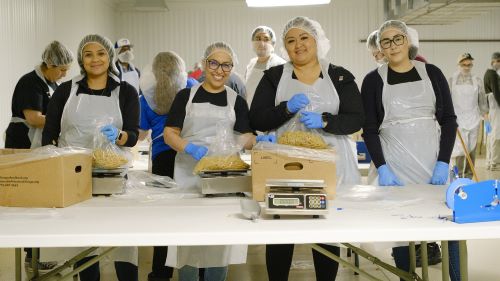
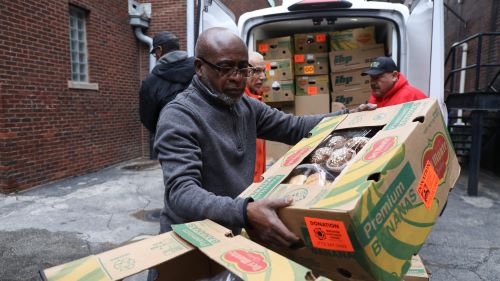
In the face of these challenges, the Food Depository was able to distribute 115 million pounds of food to our network of more than 850 food pantries, soup kitchens and other programs in fiscal year 2025, thanks to the generosity of our supporters. That’s the equivalent of roughly 96 million meals.
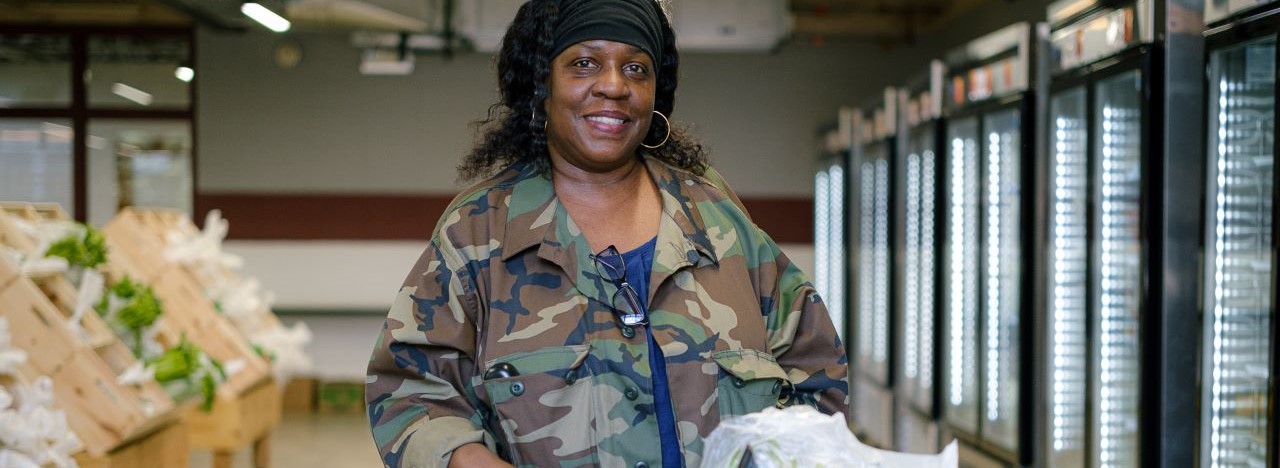
This support makes a meaningful difference for our neighbors. “You don’t know how important this help is for me,” said Andrea Thames, 61, about the food she gets at Together We Cope food pantry in Tinley Park.
Thames was a special education teacher with a master’s degree and three grown sons when an injury left her unable to work for two years. A lack of income and mounting medical costs made already tight finances unlivable. Together We Cope became a lifeline.
“This pantry means me having enough food for the whole month,” Thames said.